


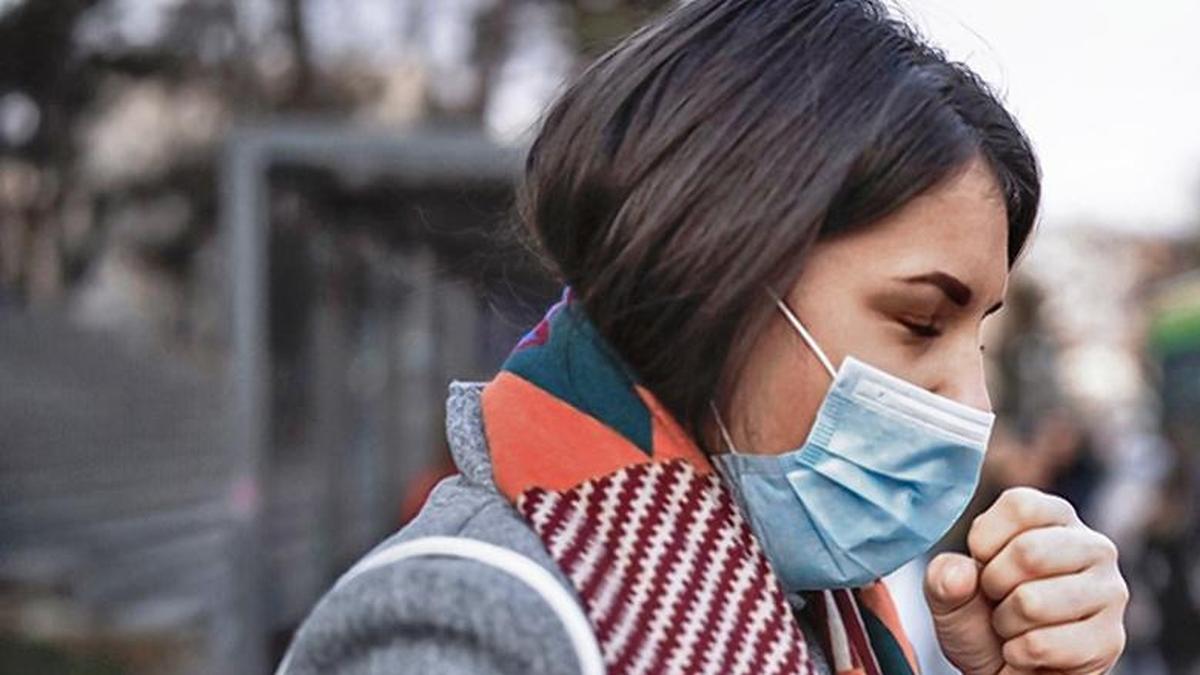
World Pneumonia Day was marked last week, on November 12. It’s an infection that remains one of the world’s leading killer infections. It still claims, as per the World Health Organization, more lives of children under five than any other infectious disease. Pneumonia also poses a serious threat to older people and those with chronic health conditions, particularly in low-and middle-income countries.
Here is all you need to know about it:
What is pneumonia?
Pneumonia is an infection of the lungs that can be caused by bacteria, viruses or fungi. The infection causes an inflammation (swelling) in the air sacs (alveoli) of the lungs and the accumulation of fluid or pus in the lungs. This can cause a fever, cough and difficulties in breathing. Pneumonia can range from mild to severe; it can even be life-threatening in some cases. It can affect one or both lungs.
Types of pneumonia
Pneumonia is classified into different types depending on how it was contracted and which pathogen caused it.
Community-acquired pneumonia: Pneumonia that is acquired in a community setting, outside of a healthcare facility, is known as community-acquired pneumonia. This is the most common type of pneumonia.
Hospital-acquired pneumonia: This form of pneumonia is contracted when the patient is in a hospital or healthcare facility for another illness. This form of pneumonia is generally serious as it may be caused by antibiotic-resistant bacteria. Healthcare-associated pneumonia is similar, where patients at long-stay facilities outpatients clinics contract pneumonia. This too, could be caused by antibiotic-resistant bacteria.
Ventilator-associated pneumonia: Patients who are on a ventilator (breathing machine) are at risk of contracting this.
Aspiration pneumonia: This occurs when food, drinks, vomit or saliva is inhaled into the lungs and cannot be coughed out.
Causative agents
There are multiple causes of pneumonia, but they are commonly caused by bacteria, viruses and fungi.
Bacterial pneumonia can occur on its own, or can occur after a viral infection such as a cold or the flu. It can occur at any age. It usually happens when the body is weakened by a recent illness or poor nutrition. Children under the age of five, elderly persons and those with impaired immune systems at at greatest risk. One of the most common causes of bacterial pneumonia is Streptococcus pneumoniae. Other bacteria that can cause pneumonia include Haemophilus influenzae and Legionella pneumophila. Mycoplasma pneumoniae, a tiny bacterium, can also cause pneumonia, usually with mild symptoms.
Viral pneumonia: Viruses that cause colds, influenza, COVID-19, respiratory syncytial virus, human metapneumovirus can sometimes lead to pneumonia. Viruses are a common cause of pneumonia in children under the age of 5.
Fungi: Pneumonia due to fungi is most common in people with compromised immune systems or long-term health conditions. This is a less common cause of pneumonia compared to bacterial and viral causes. Pneumocystis pneumoniais (PCP) is a rare, serious fungal lung infection caused by Pneumocystis jirovecii. According to the WHO, in infants with HIV, Pneumocystis jiroveci is one of the most common causes of pneumonia, responsible for at least one quarter of all pneumonia deaths in infants with HIV.
Signs and symptoms
Symptoms of pneumonia can vary depending on what caused the disease, the age of the person and their overall health. Symptoms can range from mild to severe. They include: fever, sweating and chills; a cough that may produce greenish, yellowish or bloody mucus; rapid breathing; shortness of breath; chest pain when breathing or coughing; fatigue; loss of appetite; bluish lips and nails; nausea and vomiting in small children and confusion or an altered mental state in older people.
While anyone can get pneumonia, those at risk include: adults over the age of 65 and children under 2; those with underlying health conditions such as a condition of the heart of lungs, neurological conditions that make it difficult to swallow or those hospitalised; people with weakened immune systems; smokers and those exposed to pollutants, toxic chemicals and fumes and second-hand smoke. The WHO notes that a child’s susceptibility to pneumonia is increased by: indoor air pollution caused by cooking and heating with biomass fuels (such as wood or dung); living in crowded homes and parental smoking.
Treatment of pneumonia
Diagnosis may involve taking a medical history, a physical exam alongside imaging, blood tests, a sputum test, a pulse oximetry test to check for blood oxygen levels and other tests.
Treatment will depend on the cause and the seriousness of the symptoms. The goal is to treat the infection and prevent complications. Most cases can be treated at home but some severe cases may require hospitalisation. Medication could involve antibiotics or other drugs, pain medicine, fever relievers and cough medicine. Oxygen therapy or IV fluids to prevent dehydration may be prescribed in some cases. Controlling the fever with medication, drinking lots of fluids and getting plenty of rest are recommended.
The Indian scenario
A review of community-acquired pneumonia in Indian adults published in Cureus in 2024, found that Streptococcus pneumoniae was the most common organism, accounting for 33% of the cases. This was followed by Klebsiella pneumoniae at 23%, Staphylococcus aureus at 10%, Mycoplasma pneumoniae and Legionella pneumophila each at 7%, and Chlamydia pneumoniae, Haemophilus influenzae, and Pseudomonas aeruginosa each at 4%. “S. pneumoniae remains the most common causative agent, aligning with global trends, while the rising incidence of K. pneumoniae warrants particular attention in the Indian context,” the review noted, and underscored the necessity for “advanced diagnostic approaches to improve pathogen identification and guide targeted antibiotic therapy.”
In reply to a question in December 2023, then Union Minister of State, Health & Family Welfare, Bharti Pravin Pawar said that as per the Cause of Death Statistics report of Registrar General India (2017-19), pneumonia is one of the major causes of under 5 mortality contributing to 17.5% of deaths in that age group. The Minister noted that an initiative, Social Awareness and Actions to Neutralize Pneumonia Successfully (SAANS) had been launched in all States/ UTs in 2019, with a three pronged strategy of framing guidelines for treatment and management, capacity-building of service providers for identification and standardised management of pneumonia and communication during the period of November – February to ensure greater awareness on childhood pneumonia among families and parents.
As per the Health Management Information System, in 2022-23, there were 4,73,780 cases of childhood pneumonia, 11,497 deaths in infants (1 to 12 months) and 4,571 deaths among children (one to five years).
Published - November 18, 2025 01:17 pm IST

