


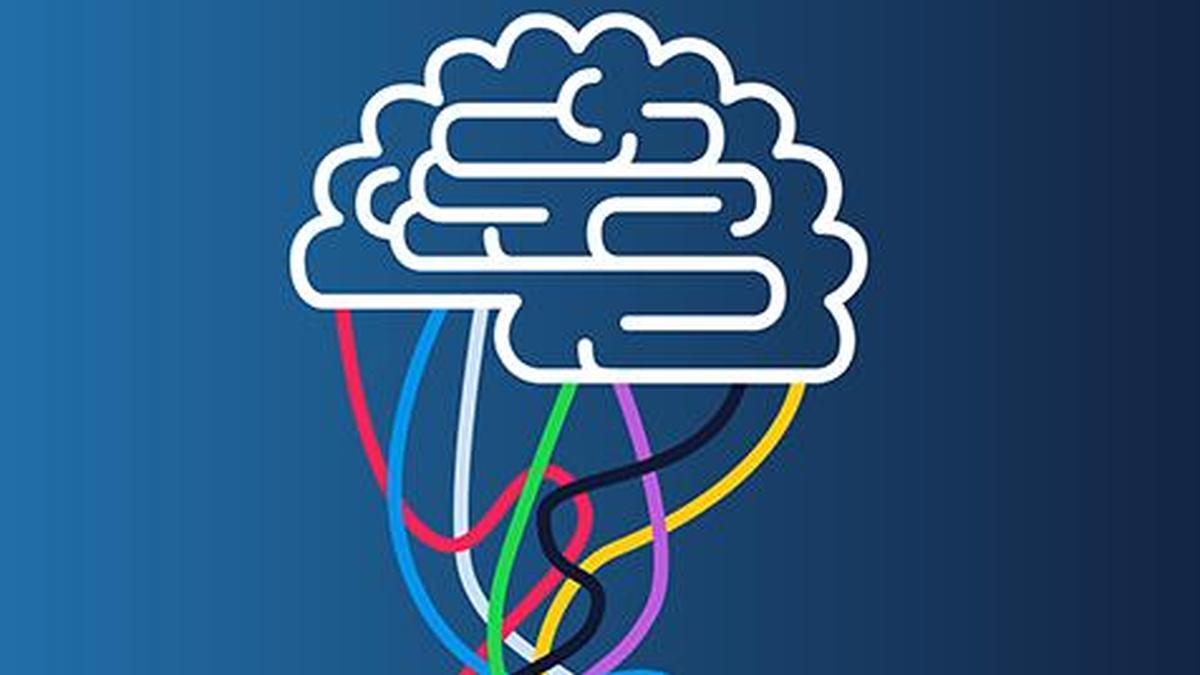
As human beings, how we perceive the world makes us unique. For some people, those perceptions are even more distinctive: they may be able to “taste words”, “feel sounds”, or “see colours when looking at letters and numbers”. They often feel that when they experience something through their senses, their “wires are crossed.” This phenomenon is largely explained as synesthesia.
A new TV show, All Her Fault, which mentions this phenomenon, has sparked online conversations, with some viewers realising for the first time that their own experiences were actually synesthesia.
What is synesthesia?
Synesthesia is not a medical condition or a disease; it is a neurological phenomenon or variation, which leads to people experiencing sensory overlap. The brain – when seeing, hearing, touching, tasting, or smelling something – may send sensory inputs through more than one pathway, allowing synesthetes (persons with the ability) to experience multiple senses at once. For instance, a synesthete might hear a word and instantly taste food or see a colour.
This phenomenon, while less talked-about, is neither common nor rare. According to studies, there may be 60 to 150 different types of synesthesia.
Why does synesthesia happen?
When we see, hear, touch, smell, or taste something, our sensory organs first detect what is happening, send signals to the brain, which then processes the input in a specific brain area related to that particular sense. For example, if your sense of sight spots a word, it sends a signal to your brain. The brain then processes the information so you can understand the word; it makes meaning for you.
For synesthetes, however, the processing occurs in two or more brain areas, which is why they experience multiple senses at the same time. So, while seeing and understanding the word, a synesthete might also be able to “taste” it (meaning they can taste a particular flavour or food), see a colour, or hear a sound.
These responses are entirely involuntary, and they almost always remain the same, depending on the type of synesthesia. For example, a person might see a colour in their mind when hearing a particular word, and they are likely to see the same colour whenever they hear that word throughout their life.
While synesthesia has been observed since the 1800s, it was once met with suspicion and disbelief. However, with technological advancements, scientists have been able to map brain activity and confirm that synesthesia is a legitimate phenomenon.
Synesthesia can be developmental and acquired: developmental synesthesia is more common and is passed on genetically, making such synesthetes neurodivergent, while the phenomenon can also be acquired in the event of brain damage.
Types of synesthesia
A person with auditory-tactile synesthesia can experience touch-based sensations when they hear certain sounds. These sensations may include changes in temperature, pressure, or even pain. Day-colour synesthetes involuntarily associate specific colours with days of the week (for example, Monday may be blue and Tuesday yellow), while people with grapheme-colour synesthesia perceive colours when they see numbers or letters.
In sound-colour synesthesia, individuals experience shapes and colours in response to certain sounds, and hearing-motion synesthesia refers to experiencing specific sounds when observing visual movement.
Mirror-touch synesthesia is a rare form in which a person feels touch when they see another person being touched. Lexical-gustatory synesthesia is another rare form, in which written words trigger distinct tastes or smells.
What this means
Synesthesia is not something that has a cure, or needs one. In very rare cases, it may indicate an underlying medical condition, but for most people it simply reflects a distinct perceptual ability. Some synesthetes experience it more intensely than others, but for most, it is rarely disruptive, according to studies.
It may help people learn and remember things more effectively. There is no specific test to determine whether you have this condition.
Published - December 22, 2025 07:30 pm IST

