


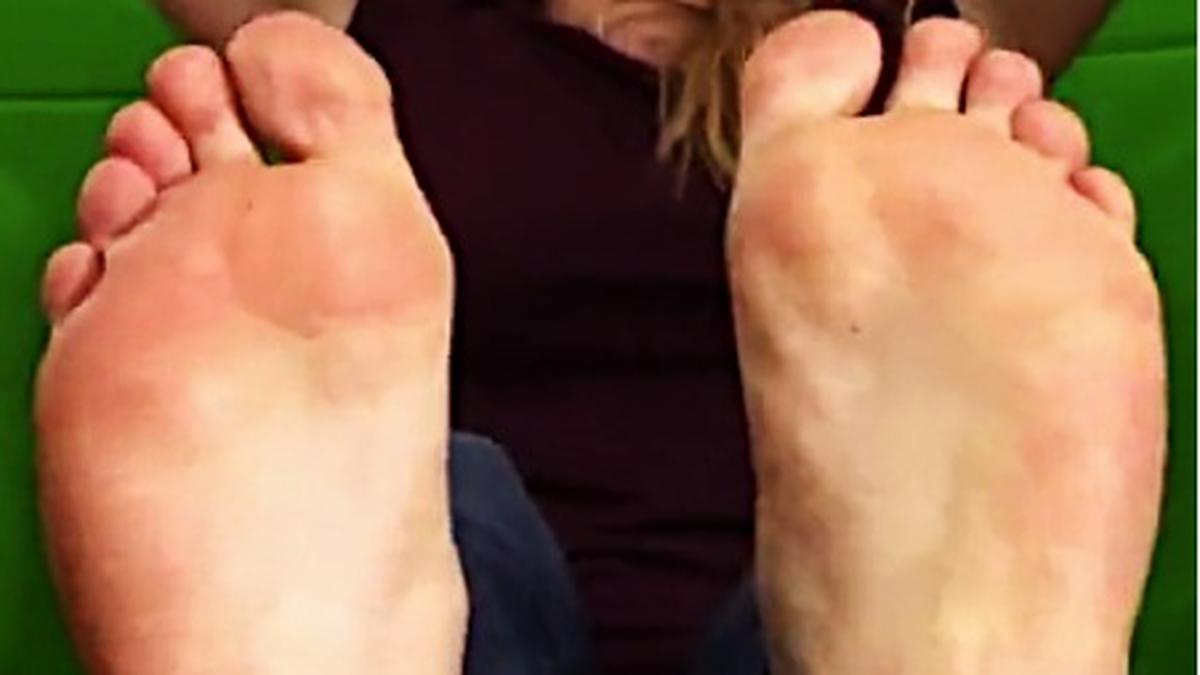
Did you know that the fairly common condition of flat feet is know as pes planus? If you didn’t and you don’t know too much about the condition, read on, to find out all you need to know about it.
What is pes planus?
A person with pes planus or flat feet has the soles of their feet touching the ground when they stand, with no visible arch. Babies and toddlers usually have flat feet, as the arches of the feet haven’t yet developed. The arches develop during early childhood, generally between the ages of 3 and 10. However, in some people, the arches do not develop at all. In others, the arches do develop, but later “collapse” due to age-related wear and tear, injuries, or medical conditions.
Why is the foot arch important?
Foot arches are unique to human beings. Even other primates such as gorillas and chimpanzees have flexible flat feet. The human foot contains two longitudinal arches, medial and lateral, and a transverse arch. The arches are made up of tarsals and metatarsals and are supported by ligaments and muscles.
The foot arch provides stiffness for efficient upright walking. In ‘Anatomy, Bony Pelvis and Lower Limb: Arches of the Foot’, authors Hiteshkumar M. Chauhan; Muhammad Taqi state: “The foot arches provide a flexible platform for weight support and act as a multisegmented lever during walking, running, and jumping. An arched foot absorbs shock and adapts to uneven surfaces.” The arches also protect nerves and blood vessels in the soles of your feet.
Why do flatfeet occur?
Flatfeet can occur due to a number of reasons. In some, the arches never develop -- this may or may not cause problems. Since flatfeet can run in families, some inherit the condition. Certain genetic disorders or defects including cerebral palsy, Down’s syndrome, joint hypermobility syndrome and Marfan syndrome can also lead to flatfeet.
In others, flatfeet are acquired during their lifetime, which means their feet arches did develop normally, but later collapsed. This can happen rapidly or slowly for instance, after an injury or over years of wear and tear.
Risk factors for developing flatfeet include: obesity, having diabetes or rheumatoid arthritis, a foot or ankle injury and ageing. The most common cause of adult acquired flatfeet now known as progressive collapsing foot deformity, is posterior tibial tendon dysfunction -- when long-lasting inflammation breaks down and weakens the tendon, making it unable to support the arch of the foot.
Signs and symptoms
Many people have no symptoms associated with flatfeet and it causes them no problems. In some people however, symptoms can include: foot pain in the heal or arch, especially after activity and ankle pain and swelling.
Flatfeet may also eventually cause lower leg, knee, hip or back pain. In some, it may lead to an altered gait pattern, and a risk of ankle instability and sprains.
Flatfeet may be flexible or rigid. Flexible flatfeet, the common kind, occur, when the arches of the feet are visible when the person is not standing, but on standing (weight-bearing), the arches disappear. In rigid flatfeet, which are uncommon, the arch is flat while at rest and while standing.
Diagnosis and treatment
A physical examination is generally required to diagnose flatfeet. A medical history may be sought, and imaging tests such as X-rays or others may also be used.
If flatfeet are not causing any problems or pain, no treatment may be needed. Children rarely require treatment. If the flatfeet are causing pain however, some treatment options may be provided. These could include: orthotic devices -- shoe inserts that support the arches of the feet. While these do not cure the problem, they can ease pain and relieve symptoms. Some can also be customised to the foot. Physical therapy, foot stretches and exercises to strengthen the feet could be another option. Wearing supportive shoes and losing weight may be recommended. In some cases, over-the-counter pain killers may be prescribed.
Surgery is not usually needed for flatfeet; it may only be required if there are problems with the bones, tissues or muscles of the feet.
Published - December 30, 2025 03:00 pm IST

