


A “wolf supermoon” is a nickname that combines two distinct ideas: a wolf moon and a supermoon.
The January 2026 wolf supermoon occurred late last week, reaching the peak of its brightness on January 2 evening (IST).
‘Wolf moon’ is a traditional name for the first full moon that happens in January. In fact many full moons have old seasonal names, often popularised in almanacs and folklore, that helped people keep track of the time of the year before the advent of modern calendars.
The wolf moon is linked to wintertime stories about wolves being heard more often, but the moon itself is not doing anything special.
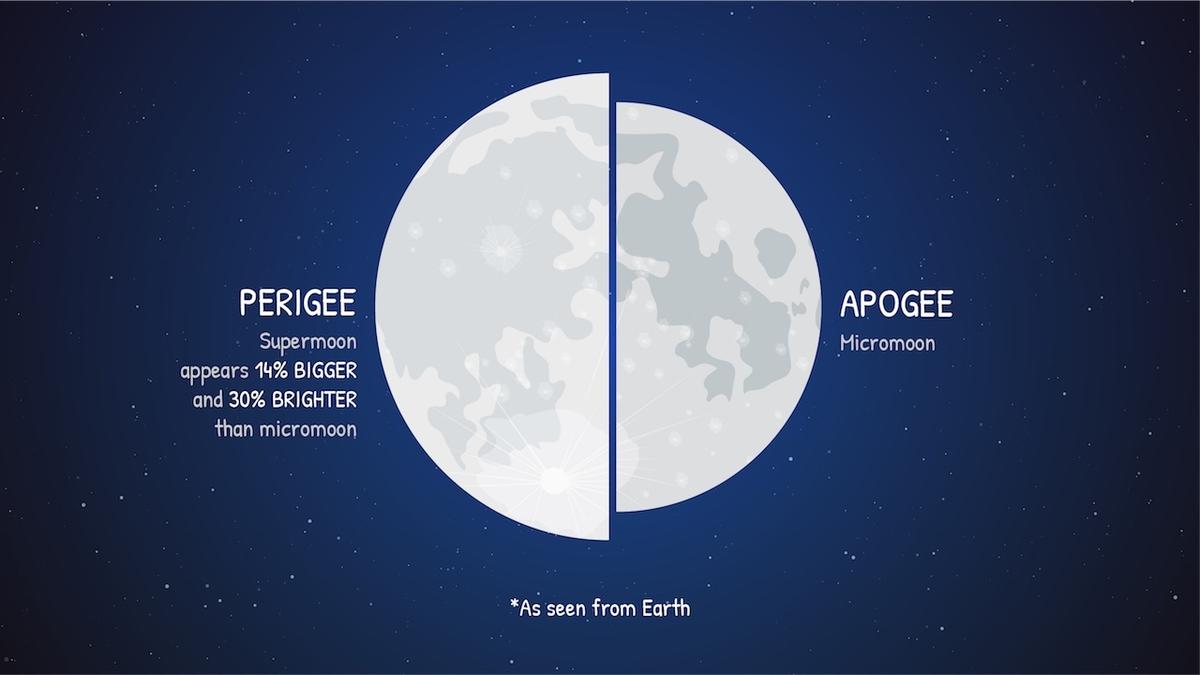
Second, a ‘supermoon’ is an astronomical description. The moon goes around the earth in an oval-shaped path rather than in a perfect circle. That means sometimes the moon is a little closer to the earth, a point in its orbit called the perigee, and sometimes it’s a little farther away (the farthest point is called the apogee). If a full moon happens when the moon is near the perigee, people call it a ‘supermoon’.
During the wolf supermoon, the moon can look slightly larger and brighter than an average full moon. The difference is modest but real, and is more noticeable in side-by-side photos than by casual watching. A common illusion at this time is the moon illusion, where the moon seems bigger near the horizon because of how the human brain judges distance and scale.
Published - January 04, 2026 09:25 am IST

