


– Gayatri Chandrashekar
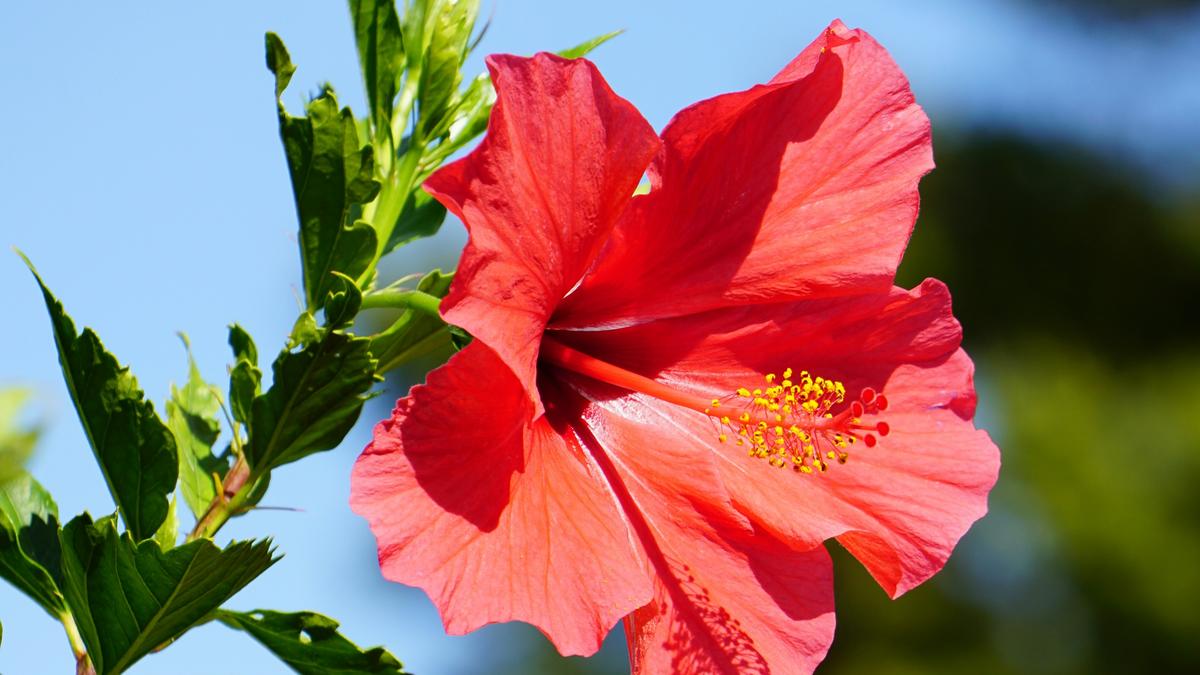
Shrubs and trees often flower and fruit more on the sunlit side because the planet’s energy budget on that side is different.
Sunlit leaves capture more usable light so they photosynthesise more and make more sugars and starch. Buds and young fruits need that carbon supply to form and grow. On the shaded side, on the other hand, the leaves make less carbon so the buds stay vegetative, the flowers abort more often, and small fruits drop more easily.
Well-lit leaves also produce stronger ‘signals’ that encourage the buds nearby to make flowers. Likewise, the plant interprets the way shade changes the quality of light — especially the balance between red to far-red light — as crowding and tries to extend shoots and leaves so that they get more light, over its own reproduction.
Temperature helps this process but isn’t the full picture. It warms buds and increases the speed of development, yet also dries leaves and raises the planet’s demand for water. If the plant can’t supply enough water, it closes its stomata and the rate of photosynthesis drops.
Pruning to let more light into the canopy often reduces one-sided flowering.
Published - February 19, 2026 09:00 am IST

