


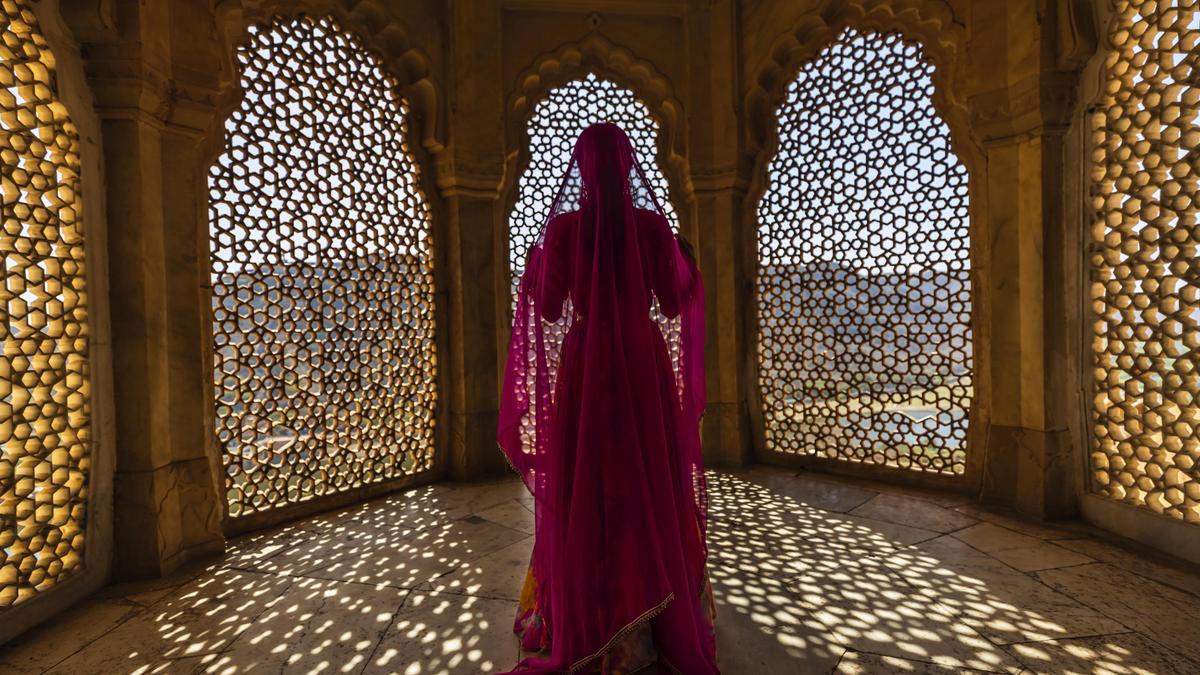
History has often been miserly in giving women their due. For over two centuries, they played a significant role in defining the architectural skyline of the Mughal empire’s capital, yet their contribution has rarely found mention.
Today’s Old Delhi, which started taking shape in 1639, came to be called Shahjahanabad after the Mughal emperor, but it was his harem that decided what it should look like. The harems, or zenanas, which were hierarchically structured private areas for females and children, got their misconstrued sexualised and oppressive classification as a result of colonial discourse. The influence of the leading ladies of the harem more often extended to political, cultural, and social state of affairs. In her book Domesticity and Power in the Early Mughal World, first published in 2005, Ruby Lal, acclaimed historian and professor of South Asian History at Emory University, writes ‘Mughal men and women were partners in the production not only of heirs but also of imperial genealogies and new royal rituals, in the establishment of new traditions, and even in the practice of governance...’
Published - March 05, 2026 07:30 am IST

