


The Iran-Israel war has escalated with the United States sinking an Iranian frigate off Sri Lanka and upping the ante against the country and the government in Tehran. This comes after the killing of Iran’s Supreme Leader Ayatollah Ali Khamenei on February 28 2026.
Also Read | Torpedo attack by U.S. submarine sinks Iranian frigate off Sri Lanka
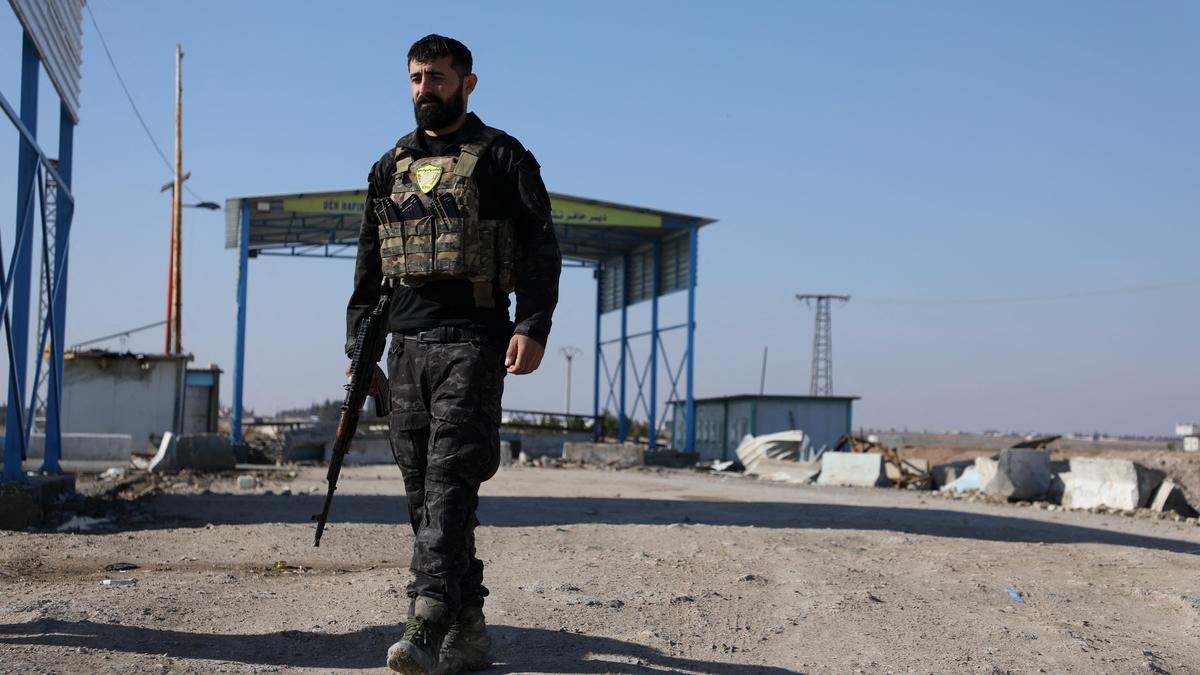
Now, reports suggest that the CIA might be in talks with Kurdish dissident groups based in Iraq to try to overthrow the regime in Iran. Kurdish officials have reportedly said that Iraqi Kurds are ready to support the U.S. in its effort against Iran.
Who are the Kurds?
The Kurds are an Indo-European ethnic group indigenous to the mountainous region of West Asia known as ‘Kurdistan.’ With a global population of 30 to 45 million people, they are one of the significant stateless ethnic group.
Also read | Iran-Israel war LIVE- March 5
Spread across multiple countries
The Kurdish people are spread across multiple countries, with Turkey having the largest population of approximately 15 to 20 million people. Iran has 8-12 million Kurds. Syria has approximately 1.5 million Kurds living in the country. Meanwhile, Iraq has roughly 5.6 to 8 million Kurdish people living in the northern part of the country, where they have a semi-autonomous government.
Struggle for autonomy
The Kurds have long faced repression and persecution and have struggled for a separate state since before World War I.
The 1920 Treaty of Sèvres promised them an independent Kurdish state, but this was never ratified. The 1923 Treaty of Lausanne established borders that divided the group’s population without providing statehood or autonomy.
Following years of conflict and the 1991 Gulf War, the Kurds established the Kurdistan Regional Government (K.R.G.) in Iraq, which is now a constitutionally recognised autonomous region.
Why are the Kurds against Iran?
The Kurdish population in Iran, which makes up roughly 10% of the citizenry, frequently face persecution and repression, with the Iranian regime jailing people for long periods of time.
The Kurds are predominantly Sunni Muslim, and within a Shia-dominated country, they face widespread religious persecution.
The Iranian government has also long repressed the Kurdish struggle for autonomy and statehood. The Iranian Revolutionary Guard Corps comes down heavily on agitators, with the country viewing the group as a terror threat.
Alignment with the U.S.
The Kurds and U.S. forces have frequently found common ground against mutual threats, especially against their campaign to take down ISIS in Syria and Iraq.
Following the 1991 Gulf War and the 2003 Iraqi invasion, the U.S. supported the Kurds in forming the semi-autonomous Kurdistan Regional Government (KRG).
In the ongoing Israel-Iran-U.S. conflict, the Kurds might be viewing an opportunity to take down the Iranian regime and achieve autonomy.
(With inputs from Reuters and Associated Press)
Published - March 05, 2026 11:03 am IST

