


While the recently released World Obesity Atlas, 2026, paints a worrying picture for India—placing the country second globally after China in childhood obesity—nutrition scientist Zeeshan Ali warned that the crisis could worsen sharply if left unchecked.
Speaking to The Hindu, Dr. Ali, who is with the Physicians Committee for Responsible Medicine (PCRM) in Washington D.C., said India could also see a steep rise in paediatric chronic diseases that were traditionally associated with adults.
The report states that more than 41 million children (aged 5–19) in India have a high body mass index (BMI), including about 14 million living with obesity. The number is projected to rise to 56 million by 2040, driven by poor diets, high consumption of sugary drinks and low physical activity.
Dr. Ali said India faces some unique and complex challenges that are catalysing these trends. With rapid urbanisation, he noted, the country is undergoing a nutritional transition, in which traditional diets rich in plant foods are gradually being replaced by restaurant meals and packaged foods high in refined carbohydrates, added sugars, and unhealthy fats.
“Another complexity is the coexistence of undernutrition and overnutrition within the same population. This doesn’t just mean that high rates of hunger and stunting exist alongside a rapid surge in obesity. It also means that children and adults across various socioeconomic groups are often meeting or exceeding the caloric requirement,” he said, adding that the issue requires action at the policy, socioeconomic, and household levels.
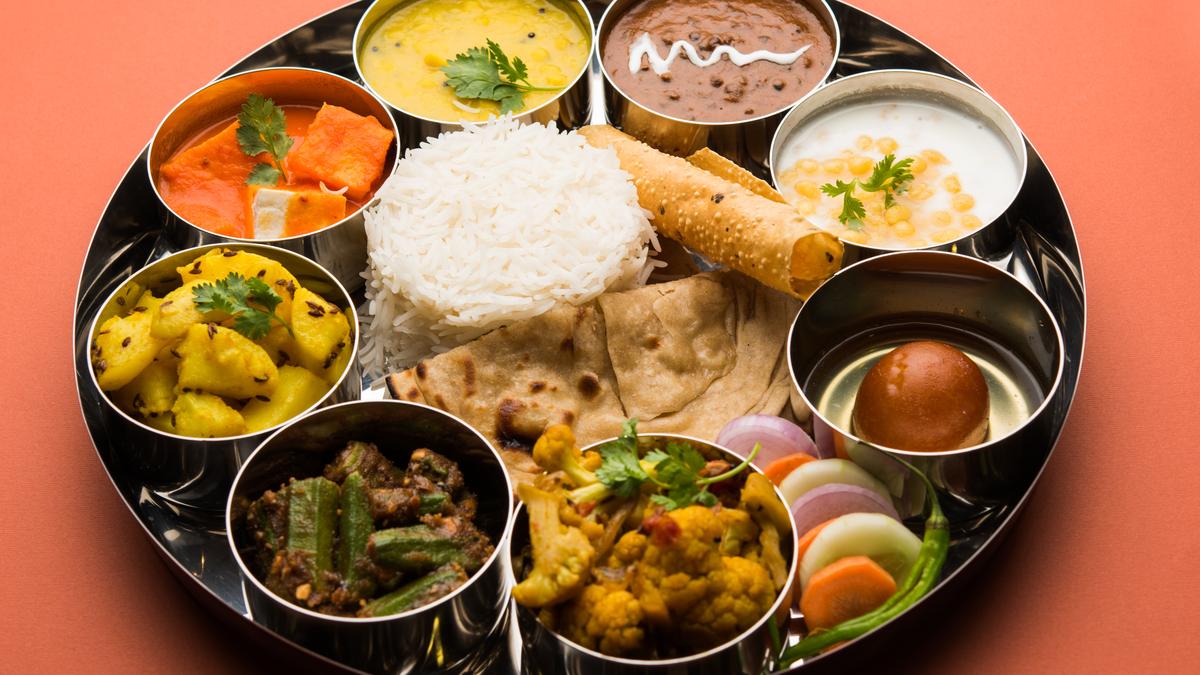
“One way to improve children’s health is to re-emphasise indigenous foods and allow them to replace the refined oils, saturated fats, and empty calories (food sources having little to no nutrients) that are becoming more common in modern diets,” he advises.
The World Obesity Federation, which released the report, noted that more than 200 million school-age children globally (aged 5-19) are living with overweight and obesity, concentrated in just 10 countries, including India.
Dr.Ali cautioned that excess weight developed in childhood often continues into adulthood. “They will also have a higher likelihood of developing conditions such as type 2 diabetes, hypertension, cardiovascular disease, and metabolic dysfunction-associated steatotic liver disease (MASLD),” he said.
He cautioned that even before adulthood, children with excess body weight may develop reduced insulin sensitivity and disturbances in lipid metabolism, which can affect puberty (early menarche in girls and potential changes in pubertal timing in boys), hormonal health, and long-term health trajectories.
Beyond physical health, childhood and adolescent obesity also carries significant psychosocial consequences, including stigma, reduced self-esteem, and social challenges during formative years, he added.
Published - March 14, 2026 09:19 pm IST

