

(This article is part of the Gender Agenda newsletter. To get the newsletter in your inbox every Sunday, subscribe here.)
Have videos of desperate, crying, and even fainting people, waiting in line to procure one cylinder of Liquified Petroleum Gas (LPG), flooded your social media feed over the last week too? Who knew that a war waged by the U.S. and Israel against Iran would impact women in Indian kitchens.
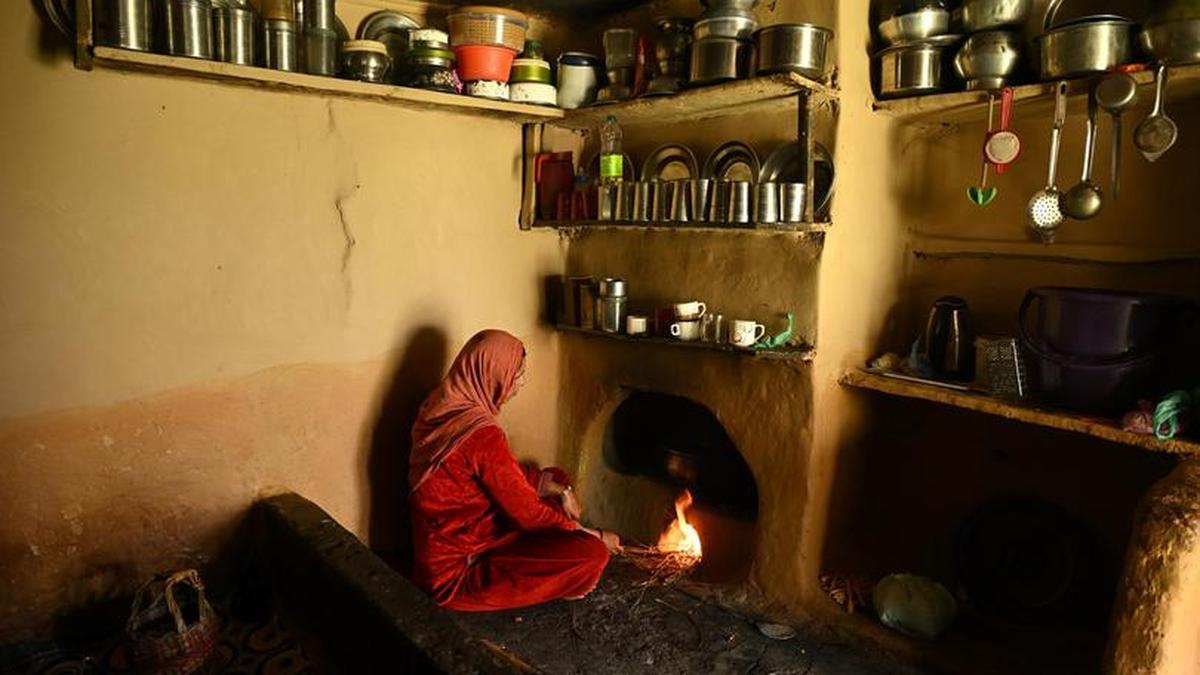
Women are forced to rethink every meal, stretch out every cylinder, and carry both the practical and emotional burden of the shortage.
This is even as the Centre continues to deny an LPG shortage, saying that panic purchase is unessential.
This photo essay in The Hindu says: “Well into the 2000s, LPG was not the dominant cooking fuel even though the cylinder had become a household name in cities and large towns. A government scheme spearheaded a surge in LPG use. This surge was driven by imports from the Persian Gulf...”
Watch this video where a woman cries on camera, saying that all the food in her household comes from restaurants on the days they can afford it. “It has been six days since the stove in my house has been lit. How will I feed my children if I wait in line, not going to work? Who has the money to go to a hotel daily? What can we do? There is a grave crisis. Ask them [Prime Minister Narendra Modi] to come see,” she laments.
Being poor in India comes at a great cost, both literally and metaphorically. Today, a cylinder sold in the black market costs anywhere between ₹2,500 and ₹3,000, while it was ₹1,800 earlier, according to this report from Kerala. The cost of a domestic LPG cylinder in a Delhi agency now stands at ₹913, up from ₹853. With costs tripling, households are going back to using firewood and dung cakes, out of sheer desperation, even though the switch to gas may have been as recent as 2016. This was after the implementation of the Pradhan Mantri Ujjwala Yojana, that aimed to provide free LPG connections to women from below the poverty line.
Will women earn a living; or wait in line, attempting to procure gas for their families; or go out foraging for alternate fuel? The centre owes us answers, but most importantly, gas.
Toolkit
Padmini Chettur and Preethi Athreya, contemporary dancers of global repute, will soon be organising the ninth edition of March Dance, an annual dance showcase with choreographers and dancers from across the world, in Chennai starting March 16. Padmini, who started her practice in the 90s, says that there is a dwindling space for their art to be platformed. The festival, helmed by the two women, began from a place of need. “We were tired of producing, performing, and choreographing our own shows.” Now, they are doing it for other dancers. Addressing the vacuum, this year’s showcase talks about women’s ageing bodies, desire, and the challenges of their attempt at migration.
Wordsworth
Dysmenorrhea This medical term talks about painful menstruation caused by high prostaglandin levels or underlying conditions like endometriosis or fibroids in people who bleed. Dysmenorrhea was cited as one of the reasons in a petition filed by advocate Shailendra Mani Tripathi seeking a direction to the government to enact a uniform law for paid menstrual pain leave to working women and students in consonance with their fundamental right to dignity under Article 21 of the Constitution. The Supreme Court on March 13 however, expressed apprehensions regarding this, adding that paid leave during menstrual pain may damage the careers of young women and deprive them of equal opportunities.
Ouch!
“It is better to ask this Kundavai to sit at home for a while. It is creating too much trouble.”
Tamil actor Parthiban on actor Trisha’s appearance with politician Vijay at a recent function, pinning the blame on her for political backlash against him.
People we meet

Dr. Aqsa Shaikh, a trans doctor and activist says that transgender people across the country are now having to deal with the existential question of whether they continue to remain transgender as per the proposed new definition of the Transgender Persons (Protection of Rights) Act, 2019. The country’s first trans doctor to head a COVID-19 vaccination centre in India, says that the Central government of India which has tabled a bill with amendments, takes away a transgender people’s “right to self-perceived gender identity” and alters the definition of a “transgender person”. It also excludes trans men or any other people who are non-binary gender and do not stick to their new definition. “That is why we all are protesting against it and we are raising a voice so that this bill which is now already tabled in the Lok Sabha does not go any further,” she says.
Published - March 15, 2026 07:46 pm IST

